
Introduction to Raid Wipes
Raid wipes are a common and often frustrating aspect of World of Warcraft (WoW), where entire raid groups fail to defeat a boss encounter. These wipes can occur due to a variety of reasons, including miscommunication, poor strategy, or unexpected mechanics. While wipes can be disheartening, they also serve as valuable learning opportunities for the community. By analyzing some of WoW’s most infamous raid wipes, players can identify common pitfalls and implement strategies to avoid repeating the same mistakes.
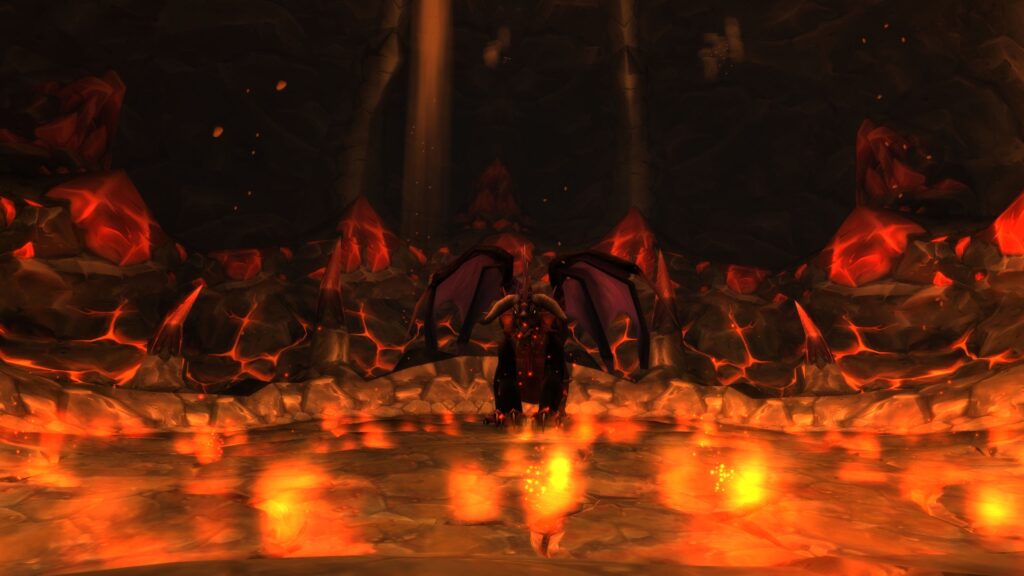
Classic WoW: The Early Challenges
1. Ragnaros in Molten Core
Molten Core was one of the first major raids in Classic WoW, and Ragnaros, its final boss, presented significant challenges to early raiders.
- Common Mistakes: Poor positioning led to widespread fire damage from Ragnaros’s Flame Strike ability. Additionally, inadequate threat management caused tanks to lose aggro, resulting in rapid raid-wide damage.
- Lessons Learned: Effective positioning and threat management are crucial. Tanks needed to maintain aggro consistently, and raid members had to stay spread out to minimize AoE damage.
These early wipes highlighted the importance of coordination and understanding boss mechanics, setting the foundation for future raid strategies.
2. Onyxia in Onyxia’s Lair
Onyxia’s Lair introduced new mechanics that tested raiders’ adaptability and communication skills.
- Common Mistakes: Raiders often failed to quickly identify and eliminate illusionary Onyxia, allowing the real Onyxia to unleash devastating attacks. Additionally, insufficient crowd control led to overwhelming adds.
- Lessons Learned: Rapid identification and elimination of the true boss were essential. Effective crowd control and clear communication were necessary to manage adds and minimize raid damage.
This encounter emphasized the need for flexibility and quick decision-making within raid groups.
The Burning Crusade: Facing Demonic Power
3. Illidan Stormrage in Black Temple

Illidan Stormrage, the Betrayer, was a pinnacle of raid difficulty in The Burning Crusade expansion.
- Common Mistakes: Mismanagement of raid positioning during Illidan’s Metamorphosis phase led to increased damage and disorganization. Additionally, failure to coordinate cooldowns resulted in inadequate damage mitigation.
- Lessons Learned: Detailed planning and precise execution of strategies were essential. Coordinated use of defensive and offensive cooldowns could significantly enhance raid survivability and damage output.
Illidan’s fight underscored the importance of advanced raid tactics and the seamless integration of team abilities.
4. Lady Vashj in Serpentshrine Cavern

Lady Vashj presented a unique set of challenges with her ability to manipulate the battlefield.
- Common Mistakes: Raiders struggled with managing the battlefield layout and avoiding environmental hazards like waterspouts. Poor communication led to ineffective handling of Dark Corruption DoTs.
- Lessons Learned: Spatial awareness and proactive communication were critical. Assigning specific roles for managing mechanics and maintaining optimal positioning helped mitigate damage and control the fight effectively.
This encounter highlighted the necessity of adapting strategies to dynamic fight conditions and environmental factors.
Wrath of the Lich King: Confronting the Frozen Throne
5. Yogg-Saron in Ulduar
Yogg-Saron, the Old God, introduced one of the most complex raid encounters in WoW’s history.
- Common Mistakes: Mismanagement of multiple phases and mechanics overwhelmed raid groups. Failure to assign specific roles for handling the Prophet Tharon’ja and the various adds led to chaos and wipe attempts.
- Lessons Learned: Comprehensive understanding of each phase and clear role assignments were vital. Regular practice and studying mechanics helped raid groups anticipate and react effectively to Yogg-Saron’s diverse abilities.
Yogg-Saron’s fight is a testament to the importance of meticulous planning and in-depth knowledge of raid mechanics.
6. Mal’Ganis in The Nexus
Mal’Ganis, the Darkfallen, posed significant threats with his dark magic and summoning abilities.
- Common Mistakes: Inadequate handling of Mal’Ganis’s Dark Siphon ability resulted in rapid health depletion. Poor coordination in managing Shadow Beasts overwhelmed raid members.
- Lessons Learned: Prioritizing damage to Mal’Ganis while effectively controlling adds was essential. Utilizing defensive cooldowns and maintaining raid cohesion helped mitigate the encounter’s difficulty.
This encounter reinforced the need for balanced raid compositions and effective threat management strategies.
Modern-Day Challenges: Legion and Beyond
7. Valiona and Theralion in Firelands
The twin dragons Valiona and Theralion introduced multi-phase mechanics that tested raiders’ coordination and adaptability.
- Common Mistakes: Split-second timing errors and miscommunication during the dragons’ simultaneous mechanics led to significant raid damage and wipes. Ineffective management of environmental hazards like Greaves of Mending caused unnecessary raid-wide damage.
- Lessons Learned: Clear communication and precise timing were critical. Assigning specific roles for handling each dragon’s mechanics and practicing phase transitions improved raid performance.
Valiona and Theralion’s fight highlighted the evolving complexity of raid encounters and the need for continuous adaptation and strategy refinement.
8. Sha of Anger in Siege of Orgrimmar
Sha of Anger presented a multifaceted challenge with her anger mechanics and relentless add spawns.
- Common Mistakes: Failure to manage raid positioning resulted in excessive AoE damage from Sha’s abilities. Inadequate add control overwhelmed the raid, leading to rapid wipes.
- Lessons Learned: Maintaining optimal raid positioning and efficient add control were paramount. Coordinated use of crowd control and defensive cooldowns helped manage the encounter’s intensity.
The Sha of Anger fight emphasized the necessity of strategic positioning and effective resource management within raid groups.
Common Reasons for Raid Wipes

Understanding the common factors that lead to raid wipes can help players and guilds develop strategies to prevent them:
- Poor Communication: Lack of clear and constant communication can lead to misunderstandings and ineffective responses to raid mechanics.
- Mismanagement of Mechanics: Failure to understand and execute boss mechanics properly results in preventable damage and wipe attempts.
- Inadequate Gear and Preparation: Raiders who are under-geared or unprepared for the encounter’s difficulty are more likely to contribute to wipes.
- Role Misassignment: Assigning roles incorrectly or not adhering to role responsibilities can disrupt raid cohesion and effectiveness.
- Cooldown Mismanagement: Inefficient use or timing of cooldowns can leave the raid vulnerable during critical moments.
Strategies to Avoid Raid Wipes
Implementing effective strategies can significantly reduce the likelihood of raid wipes:
- Effective Communication: Utilize voice chat and in-game communication tools to relay important information and coordinate strategies seamlessly.
- Comprehensive Preparation: Ensure all raid members are adequately geared and understand the encounter’s mechanics before attempting the fight.
- Role Clarity: Clearly define and adhere to role assignments, ensuring that each member understands their responsibilities during the encounter.
- Practice and Strategy Development: Regularly practice encounters, refine strategies, and adapt to evolving raid dynamics to enhance overall performance.
- Cooldown and Resource Management: Optimize the use of defensive and offensive cooldowns, and manage resources efficiently to maintain raid sustainability.
Community Insights and Stories
The WoW community is a treasure trove of experiences and lessons learned from past raid wipes. Sharing these insights can help raid groups avoid repeating the same mistakes:
- Guild Retrospectives: Many guilds conduct after-action reviews to analyze what went wrong during wipes and implement improvements for future attempts.
- Player Guides and Tutorials: Community-created guides and tutorial videos provide valuable strategies and tips based on real raid experiences.
- Forums and Discussions: Active discussions on forums and social media platforms allow players to share their wipe stories and collectively brainstorm solutions.
Engaging with the community and learning from others’ experiences fosters a culture of continuous improvement and resilience within raid groups.
Conclusion: Turning Wipes into Wins
Raid wipes, while frustrating, are integral to the learning curve in World of Warcraft. By analyzing the most infamous wipes in WoW history, understanding their causes, and implementing effective strategies, raid groups can transform these setbacks into valuable learning experiences. Embracing communication, preparation, and adaptability ensures that each wipe becomes a stepping stone toward raid mastery and eventual success.
As WoW continues to evolve, so too will the challenges and complexities of its raid encounters. By fostering a proactive and collaborative approach, the community can continue to overcome even the most daunting raid bosses, ensuring that every raid group can achieve victory and contribute to the rich legacy of WoW’s raiding history.
Home
Leave a Reply