
World of Warcraft’s economy plays a significant role in shaping the in-game experience. Whether you’re selling crafted items, gathering resources, or flipping goods, the Auction House is a central hub where players exchange goods for gold. Understanding how the economy works is essential to mastering the game’s market and maximizing your profits. In this article, we’ll break down the key elements of WoW’s economy and how you can navigate the Auction House effectively.
The Basics of the Auction House
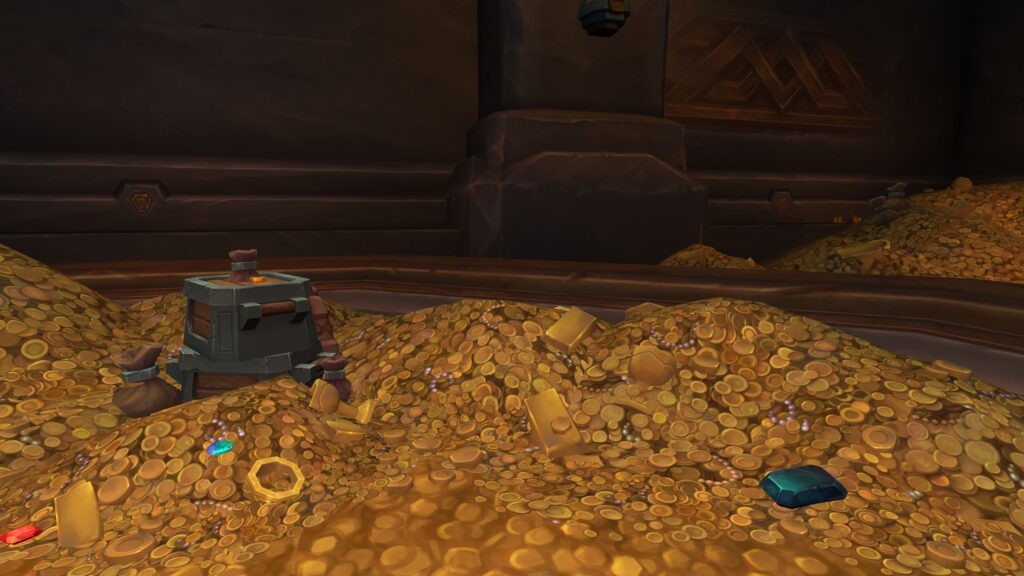
The Auction House is the main marketplace where players can buy and sell items in exchange for gold. It is a critical component of WoW’s economy, and understanding its mechanics is essential for anyone looking to profit from the game’s market.
How It Works:
- Selling Items: You can list items for sale at a starting price, with an optional buyout price. Players can then bid on or purchase your items.
- Buying Items: Players can browse the Auction House for items, filter by categories, and place bids or buy items outright at the listed price.
- Fees: The Auction House takes a small fee from each transaction, which affects the price you can charge for items.
By mastering the Auction House’s basic functions, you can begin to buy and sell with greater efficiency, leading to more profits and success in WoW’s economy.
Understanding Supply and Demand
One of the most important factors in WoW’s economy is supply and demand. Items that are in high demand, such as consumables, rare crafting materials, or highly sought-after gear, can often be sold for higher prices. Conversely, items in low demand may not sell as quickly or may need to be priced lower to attract buyers.

How to Analyze the Market:
- Research Prices: Use tools like the Auction House or third-party websites to research current market prices for items you wish to buy or sell.
- Track Popular Items: Certain items, such as flasks, potions, and high-level gear, may have fluctuations in demand based on raids, dungeons, or the in-game economy.
- Time Your Listings: The timing of your Auction House listings can significantly impact sales. For example, listing items during peak hours or right after a major raid release can help increase demand.
By understanding how supply and demand work, you can optimize your sales and take advantage of market trends to maximize your profits.
Crafting and Gathering for Profit
Crafting and gathering are two essential elements of WoW’s economy. By gathering resources from the world or crafting valuable items, you can either sell raw materials or finished goods at the Auction House for a significant profit.

Maximizing Profits:
- Gathering Professions: Professions like Herbalism, Mining, and Skinning provide raw materials that are in high demand. These can be sold for a decent profit, especially if you gather during peak demand times.
- Crafting Professions: Crafting items with your professions can be a lucrative business, especially if you craft rare or high-demand items like enchants, potions, or endgame gear.
- Flipping Items: Players can buy underpriced items from the Auction House and resell them for a higher price. This requires a good understanding of the market and a keen eye for opportunities.
Crafting and gathering are both valuable ways to profit from WoW’s economy, and mastering them will allow you to gain wealth and build a solid business within the game.
The Role of Inflation and Market Fluctuations
WoW’s economy is not static. Inflation and market fluctuations can dramatically affect prices, making it essential to stay on top of changes in the in-game market. These fluctuations can be influenced by patches, expansions, or in-game events.
How to Handle Economic Changes:
- Adjust Prices: Be flexible with your pricing based on supply and demand. When inflation rises or certain items become more scarce, adjust your prices accordingly.
- Adapt to Patches: New content, like expansions and patches, can change the demand for specific materials or gear. Stay informed about upcoming changes to anticipate shifts in the market.
- Monitor Trends: Use third-party tools or in-game resources to track market trends over time, allowing you to predict future shifts and make better decisions about when to buy and sell.
By understanding and adapting to WoW’s ever-changing economy, you can protect your profits and ensure success in the Auction House.
Conclusion
WoW’s economy plays a central role in the game, offering players countless opportunities to profit from crafting, gathering, and trading. By understanding how the Auction House works, keeping an eye on supply and demand, and adapting to market fluctuations, you can become a savvy player in WoW’s dynamic economy. With the right strategies, you’ll not only survive in Azeroth—you’ll thrive.
Home
Leave a Reply