
When Legion reached its climax on the Broken Shore, players witnessed one of the most transformative moments in Warcraft’s storytelling history. What began as a catastrophic defeat evolved into a campaign of redemption, sacrifice, and unity. The Broken Shore wasn’t just a battleground—it was a statement of intent. Blizzard used this zone to redefine how expansions would end, blending cinematic storytelling, emotional resonance, and player-driven participation into a single narrative crescendo.
This article explores how the Broken Shore’s design and story shaped the structure and emotional language of every expansion that followed.
The Invasion and the Weight of Defeat
Few events hit players as hard as the initial assault on the Broken Shore. The combined armies of the Horde and Alliance faced the Burning Legion at full strength—and failed. The death of Varian Wrynn and the betrayal felt by both factions changed the tone of the game forever. For the first time, an expansion began with tragedy instead of triumph. This tonal shift grounded Warcraft’s mythic scale in human emotion, transforming the narrative into something more mature and reflective.

The Broken Shore taught players that even heroes bleed.
Designing Desperation: The War Effort Campaign
Unlike traditional quest zones, the Broken Shore was built on momentum. Players contributed to the Class Order Campaign, gathered resources, and built fortifications together. It was a living warfront that reflected collective progress. Blizzard’s approach turned storytelling into participation—every player became a soldier shaping the outcome of the war. The tension between hopelessness and perseverance defined the zone’s tone and created one of WoW’s most cohesive world events.
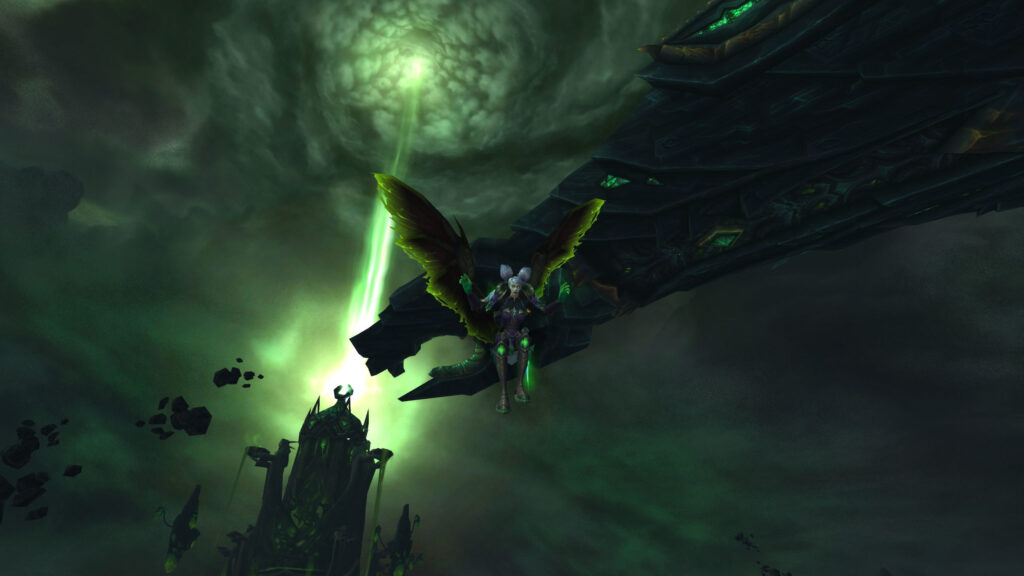
The battlefield wasn’t just scenery—it was narrative architecture.
The Role of Class Identity
One of Legion’s greatest strengths was its focus on individuality within unity. The Class Order Halls and unique storylines allowed every player to fight the Legion in their own way. The Broken Shore tied these narratives together, culminating in a unified assault that showcased diversity as strength. Each class contributed meaningfully—from Rogues’ intelligence gathering to Paladins’ defense of Light’s Hope. The message was clear: salvation required everyone’s story to converge.
For once, every player felt like the hero of their own war.
| Class | Key Contribution on the Broken Shore | Symbolic Role |
|---|---|---|
| Paladin | Lightforged the Sanctum of Order | Faith and endurance |
| Warrior | Led front-line assaults | Courage and sacrifice |
| Rogue | Gathered intelligence behind enemy lines | Deception and strategy |
| Priest | Channeled divine unity among the wounded | Hope and guidance |
| Warlock | Turned the Legion’s power against itself | Corruption redeemed |
From Sacrifice to Salvation
Legion’s finale, centered on Illidan, Velen, and the Army of the Light, drew direct thematic lines between suffering and transcendence. Illidan’s defiance of destiny, Kil’jaeden’s remorse, and the uniting of mortal races under the Light transformed the expansion from a war story into a parable about faith and consequence. The Broken Shore symbolized that redemption is never easy—it’s earned through collective pain and shared belief.
The moment Sargeras was sealed away wasn’t a victory—it was a reckoning.
The Emotional Blueprint for Future Expansions
The Broken Shore redefined how Blizzard approached endings. Every expansion since—Battle for Azeroth, Shadowlands, Dragonflight—has mirrored its emotional rhythm: despair, perseverance, and renewal. The cinematic connection between loss and triumph became the blueprint for future finales. The concept of “earned hope” now defines the narrative pacing of WoW, reminding players that peace in Azeroth is never given—it’s rebuilt, piece by piece.
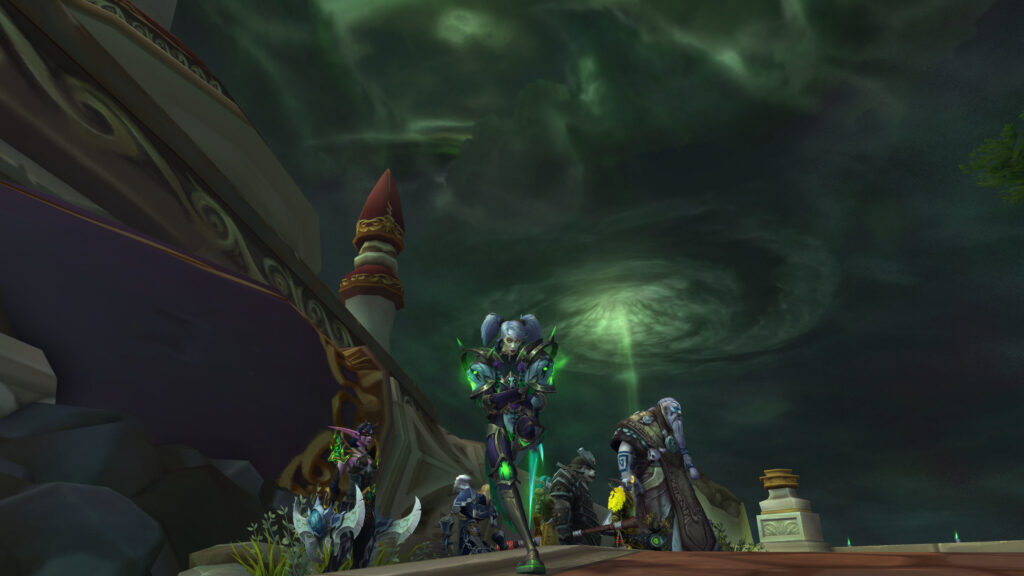
The Broken Shore wasn’t an ending—it was the emotional reset button for a new storytelling era.
The War Within and Lessons Remembered
The War Within builds upon everything the Broken Shore introduced. It returns to themes of unity through adversity, focusing on introspection rather than apocalypse. The story’s emotional tone—quiet determination instead of cosmic grandeur—echoes Legion’s finale. The expansion’s subterranean exploration mirrors the Broken Shore’s metaphor of digging through ruin to rediscover purpose. What began as a battle against demons has evolved into a struggle against doubt itself.
The war may move beneath the surface, but its soul remains the same.
Conclusion
The Broken Shore stands as one of the most defining moments in Warcraft’s modern storytelling. It bridged the gap between gameplay and emotion, uniting players through shared defeat and victory. Every expansion since has inherited its DNA—its pacing, tone, and sense of communal consequence. It proved that loss can inspire growth and that even on broken ground, hope can take root again.
Because the Broken Shore wasn’t where the war ended—it’s where Warcraft grew up.
Leave a Reply